The old lady in Metro

A poem: Old Lady in the Metro Train

рдорд┐рдпрд╛рдВ рдХрд╡рд┐рддрд╛рдПрдВ-3

рдорд┐рдпрд╛рдВ рдХрд╡рд┐рддрд╛рдУрдВ рдХрд╛ рд╢реНрд░реГрдВрдЦрд▓рд╛ рдореЗрдВ рдореИрдВрдиреЗ рдЕрдм рддрдХ рджреЛ рдмреНрд▓реЙрдЧреЛрдВ рдореЗрдВ резреж рдХрд╡рд┐рддрд╛рдПрдВ рд╢рд╛рдорд┐рд▓ рдХреА рд╣реИрдВред рдкреНрд░рддрд┐рд░реЛрдз рдХреА рдЗрди рдХрд╡рд┐рддрд╛рдУрдВ рдХреА рддреАрд╕рд░реА рдФрд░ рдЖрдЦрд┐рд░реА рдХрдбрд╝реА рдореЗрдВ рдкреНрд░рд╕реНрддреБрдд рд╣реИрдВ рдЪрд╛рд░ рдФрд░ рдХрд╡рд┐рддрд╛рдПрдВред

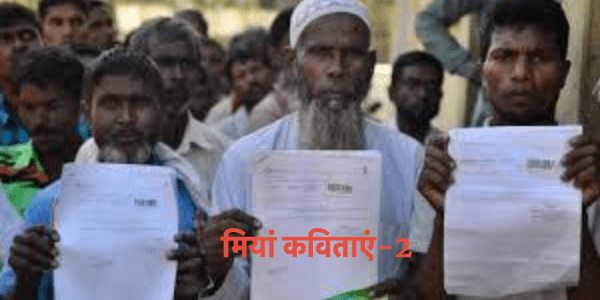
рдорд┐рдпрд╛рдВ рдХрд╡рд┐рддрд╛рдПрдВ-2

рдЕрд╕рдо рдореЗрдВ рд░рд╣рдиреЗ рд╡рд╛рд▓реЗ рдмрдВрдЧрд▓рд╛рднрд╛рд╖реА рдореБрд╕рд▓рдорд╛рдиреЛрдВ рдХреЛ рдорд┐рдпрд╛рдВ рдХрд╣рд╛ рдЬрд╛рддрд╛ рд╣реИред рдпрд╣ рдЙрдирдХреЗ рд▓рд┐рдП рдПрдХ рдЕрдкрдорд╛рдирдЬрдирдХ рд╕рдВрдмреЛрдзрди рд╣реИред рдЗрд╕ рд╕рдореБрджрд╛рдп рдХреЗ рд▓реЛрдЧреЛрдВ рдХреЛ рд▓рдВрдмреЗ рд╕рдордп рд╕реЗ рд╕рд╛рдорд╛рдЬрд┐рдХ рддрд┐рд░рд╕реНрдХрд╛рд░ рдФрд░ рд╣рд┐рдВрд╕рд╛ рдХрд╛ рд╢рд┐рдХрд╛рд░ рд╣реЛрдирд╛ рдкрдбрд╝рд╛ рд╣реИред рдЗрд╕рдХреЗ рдкреНрд░рддрд┐рд░реЛрдз рдореЗрдВ рдорд┐рдпрд╛рдВ рдХрд╡рд┐рддрд╛ рдХрд╛ рджреМрд░ рд╢реБрд░реВ рд╣реБрдЖ рдЬрд┐рд╕реЗ рд╕реЛрд╢рд▓ рдореАрдбрд┐рдпрд╛ рдиреЗ рд▓реЛрдЧреЛрдВ рдХреЗ рд╕рд╛рдордиреЗ рд▓рд╛рдпрд╛ред рдЗрди рдХрд╡рд┐рддрд╛рдУрдВ рдореЗрдВ рдЧрд╣рд░реА рд╕рдВрд╡реЗрджрдирд╛ рдФрд░ рд╕рдВрдШрд░реНрд╖ рдХреА рдЪреЗрддрдирд╛ рджрд┐рдЦрд╛рдИ рджреЗрддреА рд╣реИред рдореИрдВрдиреЗ рдХреБрдЫ рдорд┐рдпрд╛рдВ рдХрд╡рд┐рддрд╛рдУрдВ рдХрд╛ рдЕрдВрдЧреНрд░реЗрдЬреА рд╕реЗ рдЕрдиреБрд╡рд╛рдж рдХрд┐рдпрд╛ рд╣реИ рдЬреЛ рддреАрди рдХрд┐рд╢реНрддреЛрдВ рдореЗрдВ рдмреНрд▓реЙрдЧ рдкрд░ рдбрд╛рд▓ рд░рд╣рд╛ рд╣реВрдВред рдкреЗрд╢ рд╣реИ рдЗрд╕ рдХрд┐рд╢реНрдд рдХреА рджреВрд╕рд░реА рдХрдбрд╝реАред

рд╡рд┐рдпрддрдирд╛рдореА рдХрд╡рд┐рддрд╛ (рдУрд╢рди рд╡реБрдУрдВрдЧ)

рдУрд╢рди рд╡реБрдпреЛрдВрдЧ рдпреБрд╡рд╛ рд╡рд┐рдпрддрдирд╛рдореА рдХрд╡рд┐ рд╣реИрдВ рдЬреЛ рдЕрдм рдЕрдорд░реАрдХрд╛ рдореЗрдВ рд░рд╣рддреЗ рд╣реИрдВред рдЙрдирдХреА рдХрд╡рд┐рддрд╛рдУрдВ рдореЗрдВ рд╡рд┐рдпрддрдирд╛рдо рдпреБрджреНрдз рдХреА рд╡рд┐рднреАрд╖рд┐рдХрд╛ рдХреЗ рд╕рд╛рде рд╣реА рдЖрдкреНрд░рд╡рд╛рд╕реА рдЬреАрд╡рди рдХреЗ рддрдирд╛рд╡реЛрдВ рдФрд░ рдкреНрд░реЗрдо рдХреЗ рдЗрдВрджреНрд░рдзрдиреБрд╖реА рд╕реНрд╡рд░реВрдк рдХрд╛ рджрд░реНрд╢рди рд╣реЛрддрд╛ рд╣реИред рдЙрдирдХреА рдХреБрдЫ рдХрд╡рд┐рддрд╛рдУрдВ рдХрд╛ рдЕрдВрдЧреНрд░реЗрдЬреА рд╕реЗ рдЕрдиреБрд╡рд╛рджред

Ramkrishna Jha ‘Kishun’ (Maithili Poems)

In his brief life of less than 50 years, Ramkrishna Jha 'Kishun' enriched Maithili literature. His made significant contribution to Maithili poems inspiring a number of literary persons of the era. His two poems are translated here from Maithili into English. The poems display a deep existential angst searching for the meaning of life.

рдорд┐рдпрд╛рдВ рдХрд╡рд┐рддрд╛рдПрдВ-1

Muslims of Bengali origins are called Miya in Assam. These people have been at the receiving end of violence and exclusion. They have suffered violence and social discrimination over. long period of time. It gave rise to a protest literature, especially poetry called Miah Poetry. In recent times, after the NRC process got under way, the issues confronting this section of Assamese society became even sharper. A new breed of hard hitting poetry emerged which was popularised by the Social Media. The poems bring out the deep anguish and alienation of Miyas of Assam. The political element of resistance poetry however does not in any way diminish its poetic aesthetics. Translation of Miyah poetry into Hindi has been done in a series of three blogs. Here is the first of the series.

The Truth ( A Maithili Poem by Baidyanath Mishra тАШYatriтАЩ/ Nagarjun)

Baba Nagarjun is counted among the greatest poets of modern India. He wrote in Maithili, Hindi and Bangla. His original name was Baidyanath Mishra to which he added 'Yatri'. This poem is a searing indictment of the orthodox religious mindset which privileges the other world over what is real, this world. The poet says, 'the Shruti is false, so is Smriti, false are the Puranas and the sacred books, fasting and penance are false, false is the history of the kings and the rulers.' It is a long but powerful poem. Perhaps he would have been lynched if he wrote today! That is why his poems need to be read in as many languages as possible. Here is the English Translation of his Maithili poem Param Satya

Blog at WordPress.com.

Up ↑